
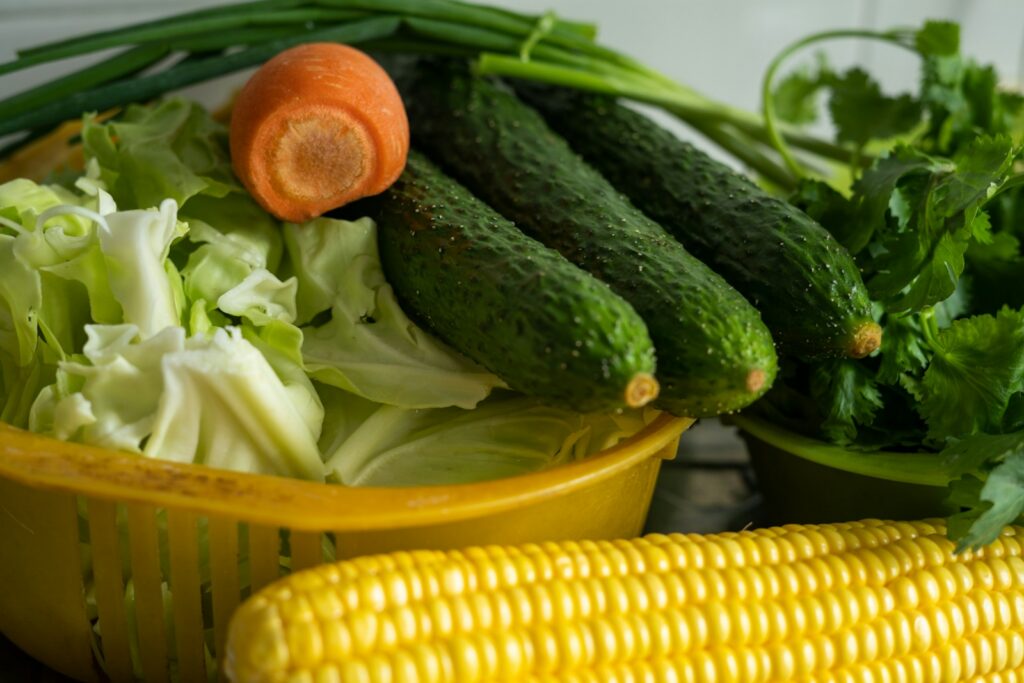

Growing sweetcorn in the UK can be a rewarding and enjoyable experience for any gardener. With the right knowledge and care, you can enjoy the delicious taste of homegrown sweetcorn straight from your garden. In this sweetcorn growing guide, we will provide you with effortless tips to help you successfully cultivate this popular crop in your UK garden.
Choosing the Right Variety
Selecting the appropriate sweetcorn variety is crucial for successful growth in the UK climate. Varieties such as ‘Lark’, ‘Swift’, and ‘Honeydew’ are well-suited for British gardens. When choosing a variety, consider factors such as maturity time, size, and taste preferences. Opt for varieties that are suited to the UK’s shorter growing season to ensure a bountiful harvest.
Preparing the Soil
Sweetcorn thrives in well-drained, fertile soil with a pH level of around 6.0 to 6.8. Before planting, enrich the soil with organic matter such as compost or well-rotted manure to improve its nutrient content and moisture retention. Ensure that the soil is warm enough, as sweetcorn is sensitive to cold temperatures. A sunny, sheltered spot in your garden with good air circulation is ideal for sweetcorn cultivation.
Planting Sweetcorn
Plant sweetcorn in blocks rather than rows to aid with pollination, as corn is wind-pollinated. Sow seeds directly into the ground once the soil temperature reaches around 18°C. Plant seeds at a depth of 2.5cm and space them 30-45cm apart. Allow for sufficient spacing between rows to accommodate the plants’ growth. Water the seeds thoroughly after planting and keep the soil consistently moist but not waterlogged.
Caring for Sweetcorn Plants
Sweetcorn plants require regular watering, especially during hot, dry spells. Mulching around the base of the plants can help retain soil moisture and suppress weed growth. Fertilize the plants with a balanced fertilizer once they reach the height of 15cm and again when they start producing tassels. Keep an eye out for common pests such as corn earworms and take preventative measures to protect your crop.
Harvesting Sweetcorn
Harvesting sweetcorn at the right time is crucial to ensure optimal flavor and sweetness. Sweetcorn is ready to harvest when the kernels are plump and release a milky liquid when punctured with a fingernail. To test readiness, peel back the husk slightly and check the kernels. Once harvested, sweetcorn should be consumed or processed quickly to preserve its sweetness and flavor.
Storing and Using Sweetcorn
If you have a surplus of sweetcorn, you can freeze the kernels for later use. Blanch the kernels in boiling water for a few minutes, then cool them in ice water before freezing. Sweetcorn can be grilled, boiled, or steamed and used in a variety of dishes, from salads and salsas to soups and stir-fries. Its sweet, crunchy texture adds a delicious element to many recipes.
In conclusion, growing sweetcorn in your UK garden can be a straightforward and rewarding experience with the right knowledge and care. By following the tips outlined in this guide, you can enjoy a successful harvest of delicious, homegrown sweetcorn within the UK’s unique climate. Whether eaten fresh off the cob or incorporated into your favorite dishes, homegrown sweetcorn is a true delight for any gardening enthusiast.