

Discover Indoor Chili and Pepper Growing Tips for a Bountiful Harvest
Are you a chili and pepper enthusiast looking to grow your own fresh produce indoors? With the right guidance and techniques, it’s possible to cultivate these flavorful and versatile plants in the comfort of your own home. Indoor chili and pepper growing can be a rewarding experience, providing you with a bountiful harvest of spicy peppers to elevate your culinary creations. From choosing the right varieties to optimizing growing conditions, this article will provide you with effortless expert guidance to help you successfully grow chilies and peppers indoors.
Choosing the Right Varieties for Indoor Growing
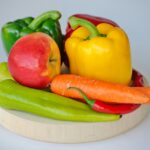
When selecting chili and pepper varieties for indoor cultivation, it’s essential to choose compact plants that are well-suited to container growing. Opt for dwarf varieties such as Thai chilies, jalapeños, or bell peppers, which thrive in confined spaces. Compact plants not only fit well in indoor settings but also tend to produce a generous yield of peppers. Additionally, consider the level of spiciness and flavor profile you prefer when choosing your chili and pepper varieties to ensure a harvest that meets your culinary needs.
Creating the Ideal Growing Environment
Creating the ideal growing environment is essential for the successful cultivation of indoor chilies and peppers. These plants require abundant sunlight to thrive, so it’s important to place them in a location that receives at least 6-8 hours of direct sunlight per day. If natural light is limited, consider supplementing with grow lights to provide your plants with the necessary light spectrum for optimal growth. Maintaining a consistent temperature between 70-85°F (21-29°C) and adequate humidity levels will also promote healthy plant development and fruit production.
Proper Watering and Feeding Practices
Proper watering and feeding are crucial aspects of indoor chili and pepper growing. These plants prefer well-draining soil to prevent waterlogging, which can lead to root rot. Allow the top inch of soil to dry out before watering your plants thoroughly, ensuring that excess water drains out of the containers. Fertilize your chilies and peppers regularly with a balanced, water-soluble fertilizer to provide them with essential nutrients for robust growth and fruit production. Avoid over-fertilizing, as this can result in nutrient imbalances and adversely affect plant health.
Managing Pests and Diseases
Pests and diseases can pose a threat to your indoor chili and pepper plants, so it’s crucial to monitor them regularly for any signs of infestation or infection. Common pests that affect these plants include aphids, spider mites, and whiteflies, which can be controlled through natural remedies or insecticidal soaps. Preventative measures such as proper ventilation and spacing between plants can help reduce the risk of pest infestations. Additionally, practicing good hygiene by removing any dead or diseased plant material will help prevent the spread of diseases among your chili and pepper plants.
Harvesting and Enjoying Your Homegrown Peppers
Once your indoor chili and pepper plants have matured and produced fruit, it’s time to harvest and enjoy your homegrown peppers. Harvest peppers when they reach their mature color and size, using clean, sharp scissors or pruners to avoid damaging the plants. Store harvested peppers in a cool, dry place or use them fresh in your favorite dishes to add a flavorful kick to your meals. Experiment with different cooking techniques and recipes to fully savor the fruits of your indoor gardening efforts.
In conclusion, with the right knowledge and care, growing chilies and peppers indoors can be a fulfilling and rewarding experience. By following these effortless expert tips, you can create an optimal growing environment for your plants, leading to a successful harvest of delicious, homegrown peppers. Embrace the joys of indoor gardening and elevate your culinary creations with fresh, flavorful chilies and peppers grown right at home.