
The natural world is full of resilient and versatile plants that can thrive even in the most challenging conditions. Root vegetables are a prime example of plants that can flourish in difficult soil, making them an excellent choice for gardeners looking to cultivate their own produce. From carrots and beets to radishes and turnips, root vegetables offer a wide range of flavors and textures, making them a popular choice for home cooks and gardeners alike. In this article, we will explore expert tips on how to grow root vegetables successfully in challenging soil conditions.
Understanding Root Vegetables
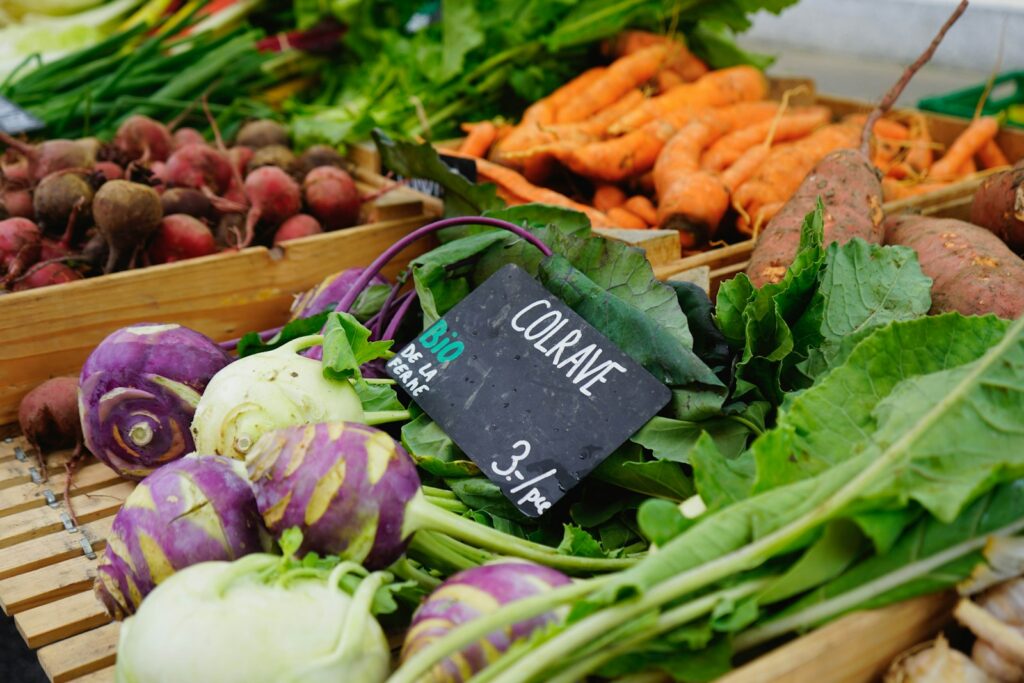
Root vegetables are plants that store nutrients in their roots, which are often the edible part of the plant. These vegetables have adapted to survive in various soil types, making them well-suited for growth in less than ideal conditions. Some common root vegetables include carrots, potatoes, sweet potatoes, beets, radishes, and turnips. Each of these vegetables has unique growing requirements but shares a resilience that allows them to thrive in challenging soil environments.
Selecting the Right Varieties
When it comes to growing root vegetables in challenging soil, selecting the appropriate varieties can make a significant difference in the success of your harvest. Opt for varieties that are known for their ability to tolerate poor soil conditions and adapt to different environments. For example, some carrot varieties are better suited for heavy or rocky soil, while certain types of radishes can thrive in compacted or clay soil. Researching and choosing the right varieties for your specific soil type can set you up for a successful growing season.
Soil Preparation and Amendment
Preparing and amending the soil is crucial when growing root vegetables in challenging conditions. Test your soil to determine its pH level and nutrient content, as this will help you understand what adjustments need to be made. Adding organic matter such as compost, aged manure, or other soil amendments can improve soil structure, drainage, and fertility. For heavy clay or sandy soils, incorporating organic materials can help create a more favorable environment for root development.
Planting Techniques
Proper planting techniques are essential for the successful growth of root vegetables. Ensure that the soil is adequately loosened to allow for root penetration and expansion. Planting depth varies depending on the vegetable, so follow specific guidelines for each variety. Providing adequate spacing between plants is also crucial to prevent overcrowding and competition for nutrients. Mulching around the plants can help maintain soil moisture and temperature, creating optimal conditions for root development.
Watering and Maintenance
Root vegetables require consistent moisture throughout the growing season to ensure healthy growth and development. Water deeply and infrequently to encourage roots to reach deeper into the soil in search of moisture. Avoid overwatering, as this can lead to rot and other issues. Regular weeding is essential to prevent competition for nutrients and space. Fertilize as needed, following recommendations based on soil test results and plant requirements.
Harvesting and Storage
Harvesting root vegetables at the right time is crucial to ensure optimal flavor and texture. Different vegetables have varying indicators of readiness, such as size, color, or texture. Use a garden fork or trowel to gently lift the roots from the soil, being careful not to damage them. After harvesting, store root vegetables in a cool, dark place with proper ventilation to extend their shelf life. Some root vegetables can be stored in a root cellar or basement for long-term storage.
Conclusion
Growing root vegetables in challenging soil can be a rewarding and satisfying experience for gardeners who are willing to put in the effort. By selecting the right varieties, preparing the soil, implementing proper planting techniques, and providing adequate care and maintenance, you can enjoy a bountiful harvest of delicious and nutritious root vegetables. With these expert tips in mind, you can successfully cultivate a thriving garden of root vegetables, even in less than ideal soil conditions.