
Iron-Boosting Tips for Vegan Diets: Essential Protein Sources
Iron is a crucial mineral that plays a vital role in the body, helping to transport oxygen and support overall well-being. For individuals following a vegan diet, obtaining sufficient iron can sometimes be a challenge, as animal-based sources of iron are not consumed. However, with careful planning and strategic food choices, it is entirely possible to meet your iron requirements on a vegan diet. In this article, we will explore some essential iron-boosting tips for vegan diets and highlight key protein sources that can help you maintain optimal iron levels.
Understanding Iron and Its Importance
Iron is an essential mineral that is critical for various bodily functions, such as oxygen transport, energy production, and immune system support. There are two forms of dietary iron: heme iron, found in animal products, and non-heme iron, found in plant-based foods. While heme iron is more readily absorbed by the body, non-heme iron can also be effectively absorbed by incorporating certain foods and enhancing absorption through dietary strategies.
Key Protein Sources for Iron on a Vegan Diet
1. Legumes: Legumes such as lentils, chickpeas, black beans, and edamame are excellent sources of both protein and iron. These versatile plant-based protein sources can be easily incorporated into various dishes, including salads, soups, stews, and stir-fries.
2. Dark Leafy Greens: Vegetables like spinach, kale, Swiss chard, and collard greens are rich in iron and other essential nutrients. These leafy greens can be added to smoothies, sautéed as a side dish, or used as a base for salads to increase your iron intake.
3. Nuts and Seeds: Include iron-rich nuts and seeds such as pumpkin seeds, hemp seeds, chia seeds, almonds, and cashews in your diet to boost your iron levels. These can be sprinkled on top of oatmeal, yogurt, or salads for a nutrient-dense crunch.
Tips for Enhancing Iron Absorption
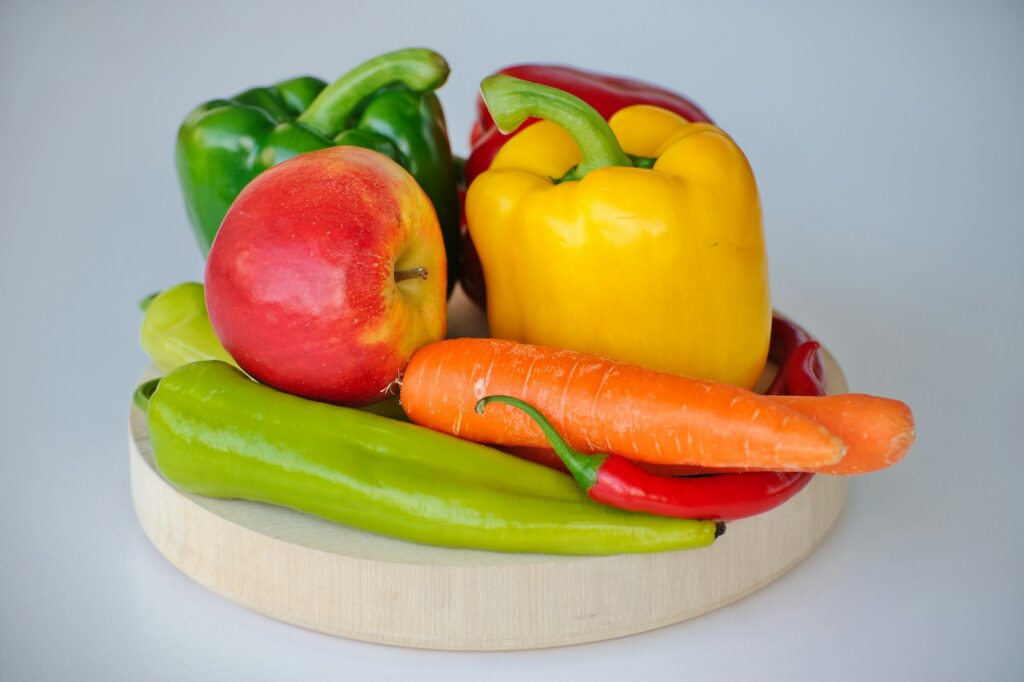
1. Pair Iron-Rich Foods with Vitamin C: Consuming foods high in vitamin C, such as citrus fruits, bell peppers, and strawberries, can enhance the absorption of non-heme iron. Try combining iron-rich plant foods with vitamin C sources to maximize iron uptake.
2. Avoid Consuming Iron Inhibitors: Some substances, like tannins in tea and coffee, and calcium in dairy products, can inhibit iron absorption. Try to avoid consuming these substances close to meals containing iron-rich foods to optimize iron absorption.
3. Cook in Cast-Iron Cookware: Cooking food in cast-iron cookware can increase the iron content of your meals. The iron from the cookware leaches into the food during the cooking process, providing an additional dietary source of this essential mineral.
Supplementation and Monitoring
If you find it challenging to meet your iron needs through diet alone, consider incorporating an iron supplement under the guidance of a healthcare professional. Regularly monitoring your iron levels through blood tests can help ensure that you are meeting your requirements and maintaining optimal iron stores.
In conclusion, following a vegan diet does not mean compromising on iron intake. By including a variety of iron-rich plant foods in your meals, practicing smart dietary strategies to enhance absorption, and considering supplementation if necessary, you can adequately support your iron levels while enjoying the health benefits of a plant-based lifestyle. Experiment with different protein sources, get creative in the kitchen, and prioritize your iron intake to thrive on a vegan diet.