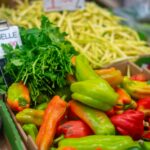


In the realm of sustainable and healthy living, organic gardening serves as a beacon of environmental stewardship and culinary delight. Cultivating your own chemical-free vegetables not only ensures a bountiful harvest of nutrient-rich produce but also contributes to the well-being of the planet. By embracing organic gardening practices, you can create a thriving garden ecosystem without reliance on harmful chemicals. In this article, we will explore effortless ways to grow organic vegetables, promoting a greener and more sustainable lifestyle.
The Basics of Organic Gardening
Organic gardening revolves around the principles of preserving soil health, promoting biodiversity, and avoiding synthetic chemicals. To kickstart your organic gardening journey, begin by selecting a suitable location that receives ample sunlight and has well-draining soil. Consider starting with a small plot or raised beds to make the maintenance more manageable.
Choosing the Right Seeds
The foundation of a successful organic garden lies in selecting high-quality, non-GMO seeds. Opt for organic and heirloom seeds from reputable suppliers to ensure that your vegetables are free from genetic modifications and harmful chemicals. By choosing the right seeds, you set a strong foundation for a thriving organic garden.
Soil Health and Composting
Healthy soil is the cornerstone of organic gardening. Enhance the fertility of your soil by incorporating compost, manure, and organic matter. Composting kitchen scraps and yard waste not only enriches the soil with essential nutrients but also reduces waste sent to landfills. Aim to maintain a balanced soil pH to support optimal plant growth and nutrient uptake.
Natural Pest Control
To ward off pests without resorting to chemical pesticides, integrate natural pest control methods into your gardening routine. Encourage beneficial insects like ladybugs and lacewings, which prey on harmful pests. Planting companion herbs and flowers such as marigolds, basil, and lavender can help repel pests and attract pollinators, fostering a healthy garden ecosystem.
Watering Wisely
Proper watering techniques are crucial for promoting healthy plant growth in organic gardening. Opt for watering in the early morning to reduce evaporation and prevent fungal diseases. Consider utilizing drip irrigation or soaker hoses to deliver water directly to the root zone, minimizing water wastage and promoting deep root development.
Crop Rotation and Companion Planting
To prevent soil depletion and pest infestations, practice crop rotation in your organic garden. Rotate crops annually to reduce soil-borne diseases and replenish nutrients naturally. Additionally, explore the benefits of companion planting by pairing compatible vegetables together to enhance growth, deter pests, and maximize yield.
Harvesting and Storing
When it comes time to harvest your organic vegetables, do so at the peak of ripeness to savor the full flavor and nutritional benefits. Properly store harvested produce in a cool, dry place to prolong freshness and prevent spoilage. Consider preserving excess harvest through methods like canning, freezing, or drying to enjoy your organic bounty year-round.
By embracing the principles of organic gardening and implementing these effortless strategies, you can cultivate a flourishing garden brimming with chemical-free vegetables. Not only will you relish the joy of growing your own food, but you will also contribute to a healthier planet and a more sustainable future. Start your organic gardening journey today and reap the abundant rewards of nurturing nature’s bounty with care and reverence.